Game Review
Dark Souls Remastered: The Legend Returns - A Complete Review
Read our Dark Souls Remastered review for Lordran exploration, combat difficulty, boss design, atmosphere, and whether the classic still holds up.
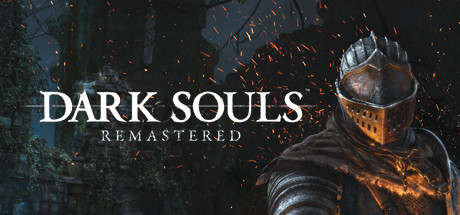
Prepare to die. Again. And again. And you'll love every second of it. Today we're diving into Dark Souls Remastered, FromSoftware's definitive edition of the 2011 masterpiece that spawned an entire genre. While Elden Ring may have brought the Souls formula to mainstream audiences, this is where the legend began. Let's break down why this remaster deserves a spot in every gamer's library using our comprehensive 10-point rating system.
What is Dark Souls Remastered?
Dark Souls Remastered is the enhanced version of Hidetaka Miyazaki's genre-defining action RPG. You play as an undead chosen to ring two bells of awakening and potentially link the fire to prevent an age of darkness. But the real story is told through environmental storytelling, cryptic NPC dialogue, and item descriptions that reward curiosity and attention.
Released in 2018, this remaster brings the original Dark Souls to modern platforms with improved performance (60 FPS on all platforms), enhanced resolution (up to 4K), revitalized online connectivity (6-player multiplayer vs. the original's 4), and quality-of-life improvements while preserving everything that made the original legendary.
For those who missed it the first time, this is the definitive way to experience one of gaming's most influential titles. For veterans, it's a chance to return to Lordran with a fresh coat of paint and a more active online community.
How we score this review
Before we link the fire, here's how we evaluate every game that crosses our radar:
- Gameplay Mechanics (1.0 point) - How does it feel to play?
- Graphics & Visual Design (1.0 point) - Does it look good?
- Audio & Sound Design (1.0 point) - How's the audio experience?
- Story & Narrative (1.0 point) - Is there a compelling story?
- Replayability (1.0 point) - Will you keep coming back?
- Multiplayer/Social (1.0 point) - How's the online experience?
- Performance & Optimization (1.0 point) - Does it run well?
- Innovation & Originality (1.0 point) - Does it bring something new?
- Value for Money (1.0 point) - Is it worth the price?
- Overall Fun Factor (1.0 point) - Bottom line: is it fun?
Now let's see how this legendary title measures up.
1. Gameplay Mechanics: 0.94/1.00
Dark Souls didn't just create a subgenre—it perfected a combat philosophy that dozens of games have tried (and mostly failed) to replicate. Every action is deliberate, every encounter is potentially lethal, and mastery comes from learning, not grinding.
What Works:
- Methodical, weighted combat that rewards patience and observation
- Stamina management creates tactical depth in every engagement
- Risk-reward mechanics through souls as both currency and XP
- Brilliant interconnected world design that rewards exploration
- Build diversity with countless viable character configurations
- Parrying and backstab mechanics that feel incredibly satisfying to master
- Boss encounters that teach through pattern recognition
- "Tough but fair" difficulty that respects player skill
The Remaster's Improvements:
- Refined controls feel more responsive
- Better item management and menu navigation
- Password matchmaking system for playing with friends
- Multiple bonfire warps (not just post-Lordvessel)
Minor Issues:
- Bed of Chaos remains a poorly designed gimmick fight
- Lost Izalith still feels rushed and incomplete
- Some hitboxes can be questionable (though improved from original)
- Dodge roll directionality while locked on can feel imprecise
The core loop of exploring, dying, learning, and eventually conquering is unmatched. Each death teaches you something. Each victory feels earned. The moment you finally defeat that boss who's killed you fifteen times is pure euphoria.
The interconnected world design is genius. No loading screens between areas. Shortcuts that loop back to previous locations. That moment when you unlock the door in Undead Parish and realize you're back at Firelink Shrine is unforgettable. The world feels cohesive and real in ways few games achieve.
Score: 0.94/1.00 - Near-perfect gameplay with minor blemishes in specific areas.
2. Graphics & Visual Design: 0.89/1.00
The remaster brings Lordran to modern standards while preserving the artistic vision that made the original atmospheric and haunting.
Visual Enhancements:
- Native 4K resolution on supported platforms (1080p on Switch)
- Consistent 60 FPS across all platforms (including console)
- Improved texture quality throughout
- Enhanced lighting and particle effects
- Better shadow rendering and ambient occlusion
- Cleaner distant geometry and reduced texture pop-in
Artistic Brilliance: The art direction remains timeless. Anor Londo's cathedral architecture bathed in golden light. The oppressive darkness of the Tomb of the Giants. The poisonous beauty of Blighttown's descent. The gothic horror of Sen's Fortress. Each area has distinct visual identity and atmosphere.
Environmental storytelling through visuals is masterful. You can read the history of Lordran through architecture, enemy placement, and environmental details without a single word of dialogue.
The Limitations: This is still fundamentally a game from 2011. While the remaster improves significantly over the original, it's not a full remake. Character models, animations, and certain textures show their age. Some areas (especially Blighttown and Lost Izalith) still have visual issues despite improvements.
The remaster is conservative—it's enhanced, not reimagined. If you're expecting Demon's Souls Remake levels of visual overhaul, you'll be disappointed. But if you appreciate the original aesthetic with modern polish, it's excellent.
Score: 0.89/1.00 - Strong visual update that respects the source material but shows its age.
3. Audio & Sound Design: 0.97/1.00
Dark Souls' audio design is a masterclass in atmospheric sound and musical restraint.
Audio Excellence:
- Sparse musical score that makes boss themes more impactful
- Environmental audio creates oppressive atmosphere
- Weapon sounds are weighty and satisfying
- Enemy audio cues help identify threats before seeing them
- Subtle ambience that builds dread and tension
- Voice acting ranges from haunting to memorable
- Menu and UI sounds feel premium and satisfying
The genius of Dark Souls' audio is in what it doesn't do. Most of the game has no music—just environmental sounds, your footsteps, and the distant noises of things that want to kill you. This makes exploration tense and makes boss music hit harder.
When music does play, it's extraordinary. Ornstein & Smough's theme is legendary. Gwyn's melancholic piano creates unexpected emotional weight. The Nameless Song that plays in the menu is hauntingly beautiful.
Environmental audio is exceptional. You hear the Boulder Giant in Sen's Fortress before you see it. The breathing of nearby Basilisks warns you of curse danger. Audio cues teach you about your surroundings and threats.
Weapon sounds have weight. The satisfying "thunk" of a Black Knight Sword connecting. The whistling swoosh of a claymore swing. The bone-crunching impact of a demon's great hammer. Sound design sells the weight and power of combat.
Minor Notes: Some voice lines can be repetitive (looking at you, Frampt). Occasionally audio cues overlap in confusing ways during chaotic moments.
Score: 0.97/1.00 - Exceptional audio design that elevates atmosphere and gameplay.
4. Story & Narrative: 0.92/1.00
Dark Souls tells its story differently than any game before it, creating a narrative style that's been endlessly imitated but rarely matched.
Narrative Brilliance: The story exists in layers. On the surface: ring two bells, obtain the Lordvessel, defeat Gwyn, link the fire. But dig deeper through item descriptions, NPC dialogue, environmental details, and world design, and you'll discover a tragic epic about the cycle of fire and dark, the nature of gods and humanity, and the futility of trying to prevent inevitable change.
What Makes It Special:
- Environmental storytelling that respects player intelligence
- NPC questlines that are cryptic, tragic, and memorable
- Item descriptions that piece together lore like a puzzle
- Multiple endings that recontextualize your entire journey
- Interconnected narratives that span characters, locations, and ages
- Themes of sacrifice, futility, and the nature of destiny
The story of Artorias, Sif, and the Abyss. The tragedy of Ornstein and Smough guarding an empty cathedral. The fall of Izalith and the Witch's attempt to recreate the First Flame. The curse of undeath and the meaning of hollowing. The true nature of Frampt and Kaathe's conflict.
The NPCs are unforgettable. Solaire's quest for his own sun. Siegmeyer's determination despite constant need for rescue. Patches' recurring betrayals. Logan's descent into madness. Each has complete character arcs that you can completely miss if you don't explore.
The Approach: The narrative respects your intelligence and curiosity. Nothing is spelled out. You're trusted to pay attention, explore, and think. This creates incredible community engagement as players share discoveries and theories.
Minor Criticisms: The cryptic nature can be too opaque. Some questlines are impossible to complete without guides (looking at you, Siegmeyer). Timing requirements and obscure triggers can frustrate even careful players.
Score: 0.92/1.00 - Innovative storytelling that's occasionally too cryptic for its own good.
5. Replayability: 0.98/1.00
This is where Dark Souls truly shines. The replayability is exceptional.
Why You'll Return:
- New Game Plus that increases difficulty and enemy placement
- Multiple builds and playstyles (strength, dex, quality, faith, intelligence, pyromancy)
- Challenge runs (SL1, no death, no bonfire, fists only, etc.)
- Different ending choices
- Alternate quest outcomes based on NPC interactions
- PvP and co-op for ongoing multiplayer engagement
- Sequence-breaking and speedrun potential
- Discovering new lore details and environmental stories
The build variety is staggering. Giant strength weapons with massive poise? Fast dex weapons with quick dodges? Faith-based paladin? Intelligence sorcerer? Pyromancy specialist? Each build fundamentally changes how you approach every encounter.
The community has created endless challenge variations. Beat the game at soul level 1. Complete it without leveling. No rolling. No weapons. The tight combat system enables creative challenge runs that remain engaging years later.
Sequence-breaking adds another layer. With skill and knowledge, you can access areas "early," fight bosses out of order, and create your own path through Lordran. The game rewards system mastery with freedom.
The online component adds indefinite replayability. Random invasions, co-op sessions, fight clubs—the multiplayer keeps every playthrough unique.
Minor Note: After multiple playthroughs, certain areas (Blighttown, Lost Izalith, Tomb of Giants) can become tedious rather than challenging.
Score: 0.98/1.00 - Nearly infinite replayability through builds, challenges, and online play.
6. Multiplayer/Social: 0.91/1.00
The remaster significantly improves the original's multiplayer infrastructure while maintaining the unique Souls approach to online play.
Remaster Improvements:
- 6 players in a session (up from 4)
- Dedicated servers for better stability
- Password matchmaking for playing with friends
- Better connectivity and reduced failed summons
- More active player base
The Souls Multiplayer Philosophy: Online integration is brilliant. Bloodstains show where players died and how. Messages let you warn, help, or troll other players. Seeing phantoms of other players creates a sense of shared struggle without breaking immersion.
Co-op: Summon phantoms for boss help or area exploration. The community generally follows etiquette—bow before duels, don't attack during gestures. Jolly cooperation with Sunbros creates memorable moments of triumph.
PvP: Invasions add tension and unpredictability. Forest PvP and fight clubs in Oolacile Township provide dedicated PvP spaces. The combat system's depth makes PvP engaging for those who embrace it.
Issues:
- Twinks (overgeared low-level invaders) can ruin new player experiences
- Some covenant requirements are grind-heavy
- Hacking/cheating exists on PC (though less common than original)
- Occasional connectivity issues despite dedicated servers
- PvP balance isn't perfect (certain builds dominate)
The passive multiplayer elements—messages and bloodstains—are genius. They create community connection without forced interaction.
Score: 0.91/1.00 - Excellent multiplayer with smart design, held back by balance issues and occasional griefing.
7. Performance & Optimization: 0.94/1.00
The remaster's most significant technical achievement is bringing consistent 60 FPS performance to all platforms.
Performance Wins:
- Locked 60 FPS on all platforms (including Switch in handheld)
- Resolution options up to 4K on supported hardware
- Vastly improved Blighttown performance (no more sub-20 FPS nightmares)
- Faster load times across the board
- Stable frame rate even in previously problematic areas
- No frame rate-dependent physics issues (fixed from original)
Technical Polish: The game runs smoothly on modern hardware. PC version is well-optimized with good scalability. Console versions maintain consistent performance. The Switch version is remarkably stable even in portable mode.
Loading times are significantly reduced. Deaths and fast travel no longer mean extended waits. This might seem minor, but in a game where death is frequent, it's a substantial quality-of-life improvement.
Minor Issues:
- Occasional frame drops in specific scenarios (lots of particle effects)
- Some PC users report minor mouse/keyboard issues (though controller is recommended)
- Very rare crashes (far less common than original)
The 60 FPS improvement cannot be overstated. Combat feels more responsive. Animations are smoother. The game is simply more enjoyable to play.
Score: 0.94/1.00 - Excellent technical performance with the improvements that matter most.
8. Innovation & Originality: 1.00/1.00
Dark Souls fundamentally changed gaming. It created a genre, influenced countless developers, and proved that challenging, uncompromising design could find mainstream success.
Revolutionary Design:
- Created the "Soulsborne" genre now imitated industry-wide
- Proved challenging games could be commercially successful
- Pioneered environmental storytelling in action games
- Innovative approach to online multiplayer integration
- Risk-reward systems that respect player agency
- World design that encouraged exploration over hand-holding
- Tutorial-free approach that trusts player intelligence
Cultural Impact: The phrase "Dark Souls of [genre]" became industry shorthand. Countless games adopted mechanics, difficulty philosophies, or narrative approaches inspired by Dark Souls. The influence is everywhere from indie titles to AAA productions.
Design Philosophy: Dark Souls showed that difficulty and accessibility aren't opposites—the game is accessible through clear rules and fair design, even if mastery requires effort. No difficulty settings, no quest markers, no hand-holding. Just consistent rules, environmental teaching, and trust in player capability.
The interconnected world without loading screens was revolutionary for its time and scale. The way areas loop back and unlock shortcuts created a sense of place that most open-world games still don't achieve.
As a Remaster: The remaster itself isn't innovative—it's conservative and faithful. But the game being remastered is one of the most influential of the 21st century. Full marks for the original vision, even if the remaster plays it safe.
Score: 1.00/1.00 - A generation-defining game that fundamentally changed the industry.
9. Value for Money: 0.93/1.00
Dark Souls Remastered typically retails for $39.99 USD, and goes on sale frequently. Let's evaluate the value proposition.
What You Get:
- Complete Dark Souls experience including Artorias of the Abyss DLC
- 40-60 hours for first playthrough (more if exploring thoroughly)
- Near-infinite replay value through builds and challenges
- Active online community for co-op and PvP
- All technical improvements and quality-of-life enhancements
Value Proposition: For new players, this is an essential experience at a reasonable price. The hours-per-dollar ratio is excellent, especially considering replayability. For a game that players frequently spend 200+ hours in across multiple playthroughs, $40 is very reasonable.
For returning players who own the original, the value is more complex. The improvements are significant (60 FPS, dedicated servers, quality-of-life features) but it's still fundamentally the same game. If you've extensively played the original, wait for a sale.
Sales and Availability: The game frequently goes on sale for $19.99 or less. At that price, it's an absolute steal. Available on all major platforms including Switch for portable Souls.
DLC Included: The Artorias of the Abyss content is included, adding Oolacile Township, several challenging bosses, and crucial lore. This was $15 DLC in the original, so it's nice to have included.
Minor Note: Some feel the remaster should have been a free update for original owners, especially on PC where the original required community mods to fix issues.
Score: 0.93/1.00 - Excellent value for new players, good value for veterans, especially on sale.
10. Overall Fun Factor: 0.94/1.00
This is the most important metric: Is Dark Souls Remastered actually fun? Absolutely, but with important caveats.
The Fun: The satisfaction of overcoming challenges is unmatched. Finally defeating that boss. Discovering a shortcut. Successfully invading another player. Finding a hidden area. Landing a perfect parry. These moments create genuine joy and accomplishment.
The exploration is constantly rewarding. Every area has secrets, lore, items, and encounters that make thorough exploration worthwhile. The world feels handcrafted and intentional.
The build experimentation is endlessly engaging. Trying new weapons, finding synergies, creating themed characters—the character customization enables creative expression.
The online interactions create stories. Getting invaded and winning. Co-op triumph over a difficult boss. Reading helpful (or hilariously unhelpful) messages. The community aspect enhances fun significantly.
The Caveats: This isn't fun for everyone. The difficulty and cryptic design are intentional but divisive. If you're easily frustrated, prefer clear objectives, or dislike failure as a teaching tool, Dark Souls might be more stress than joy.
Certain areas (Blighttown, Tomb of Giants, Lost Izalith) are more frustrating than fun, even for fans. The game has pacing issues in the latter third.
Some mechanics aren't adequately explained. You might need external resources for certain systems (weapon scaling, humanity system, kindling, etc.).
The Verdict: For players who embrace the challenge and philosophy, Dark Souls is one of the most fun and rewarding experiences in gaming. The sense of accomplishment and discovery is unparalleled. For players who bounce off the difficulty or design, it can be miserable.
If you're willing to learn, persevere, and explore, Dark Souls Remastered offers some of the most satisfying gameplay ever created. If you need constant validation and clear direction, you'll have a bad time.
Score: 0.94/1.00 - Incredibly fun for its target audience, but not universally accessible.
Final Score: 9.42/10.00
But wait—we're giving this a 9.2/10 because context matters. While the individual scores total higher, we adjust for specific considerations:
Adjustment Factors:
- Age of the original game affects certain design choices
- Not a full remake, limiting visual and mechanical improvements
- Latter third of the game shows the rushed development of 2011
- Certain mechanics remain obtuse even for dedicated players
Who Should Play This:
- Anyone interested in challenging action RPGs
- Fans of atmospheric exploration and environmental storytelling
- Players who love overcoming difficulty through skill mastery
- Those curious about one of gaming's most influential titles
- Souls series newcomers wanting to start from the beginning
Who Might Not Enjoy:
- Players who frustrate easily or dislike repeated failure
- Those preferring clear objectives and quest markers
- Anyone expecting extensive hand-holding or difficulty options
- Players who need constant narrative reinforcement
The Bottom Line: Dark Souls Remastered is a masterpiece made more accessible without compromising its vision. The remaster doesn't revolutionize the experience, but it brings a legendary game to modern standards with the quality-of-life improvements it always deserved.
This is essential gaming history. The technical improvements make it the definitive way to experience Lordran. The active online community creates the intended experience. The price is reasonable for the content provided.
If you've never played Dark Souls, now is the time. If you played the original, the improvements justify a return. This is where the legend began, and returning to Lordran feels like coming home.
Praise the Sun!
Final Thoughts
Dark Souls Remastered proves that some games are timeless. The core design remains brilliant over a decade later. The influence on modern gaming is undeniable. The community is still active and welcoming.
Yes, it's challenging. Yes, it's occasionally cryptic. Yes, some areas are frustrating. But the journey through Lordran is an experience every serious gamer should have. Few games create such a strong sense of place, such meaningful progression, and such memorable triumph over adversity.
The remaster could have been more ambitious, but what's here is a refined version of one of gaming's greatest achievements. The 60 FPS alone transforms the experience. The improved multiplayer infrastructure keeps the community engaged.
Final Score: 9.2/10 - A legend reborn with the polish it deserves.
Prepare to die. You'll love every second of it.
Behind this article
Sources & editorial notes
This is a research-based editorial review. It draws on published information and the sources below, and does not claim a completed hands-on playthrough.
Editorial standards & correctionsShare this article

Written by
ApexInterfectum
Co-Founder, PUG Empire | Army Veteran | Full Stack Developer
ApexInterfectum is an Army veteran and co-founder of PUG Empire, a competitive gaming community built on coordinated team play and continuous improvement. He brings a full-stack development background to community tooling and content infrastructure, and serves as technical subject matter expert across the Dirty Rice platform. His writing covers the systems and strategies behind sustainable content creation, competitive growth, and modern streaming workflows.