Game Review
Sniper Elite: Where the Legendary Series Began
Read our Sniper Elite review for tactical sniping, stealth, X-ray kill cams, mission design, and whether the 2005 original still matters.
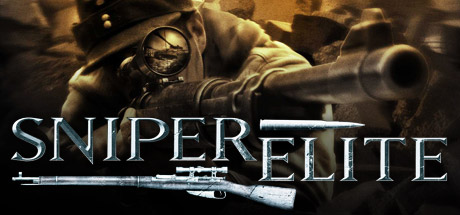
Before Sniper Elite became a household name, before the X-ray kill cams became iconic, there was the 2005 original. Developed by Rebellion Developments, the first Sniper Elite introduced players to Karl Fairburne and tactical sniping in war-torn Berlin. Nearly two decades later, let's look back at where this legendary series started.
The Premise: Berlin, 1945
You are Karl Fairburne, an American OSS officer inserted into Berlin in the final days of World War II. Your mission isn't to fight Nazis - it's to prevent Soviet forces from capturing German nuclear technology. It's a fascinating "what if" premise that puts you between two massive armies as the Third Reich collapses.
The setting is brilliantly atmospheric. Ruined buildings, desperate firefights between German and Soviet forces, and the overwhelming sense of a city in its death throes. You're not the hero charging in to save the day - you're a ghost operating in the chaos.
How we score this review
Before we dive into the details, here's how we evaluate every game that crosses our radar:
- Gameplay Mechanics (1.0 point) - How does it feel to play?
- Graphics & Visual Design (1.0 point) - Does it look good?
- Audio & Sound Design (1.0 point) - How's the audio experience?
- Story & Narrative (1.0 point) - Is there a compelling story?
- Replayability (1.0 point) - Will you keep coming back?
- Multiplayer/Social (1.0 point) - How's the online experience?
- Performance & Optimization (1.0 point) - Does it run well?
- Innovation & Originality (1.0 point) - Does it bring something new?
- Value for Money (1.0 point) - Is it worth the price?
- Overall Fun Factor (1.0 point) - Bottom line: is it fun?
Now let's see how the original Sniper Elite measures up.
10-Point Rating Breakdown
Let's evaluate the original Sniper Elite across our standard criteria.
1. Gameplay: 0.76 / 1.00
The Good:
Sniper Elite pioneered tactical sniping in games. Bullet ballistics actually matter - wind, gravity, distance, heart rate all affect your shot. Holding your breath to steady the rifle, accounting for bullet drop, timing shots with ambient noise to mask the report - this was revolutionary in 2005.
The stealth mechanics work well. You can relocate after shots, use environmental noise, and approach missions multiple ways. Enemy AI reacts intelligently to threats, searching for you and calling reinforcements.
The Issues:
Everything that isn't sniping feels clunky. Close-quarters combat is awkward. Movement is stiff. The controls haven't aged gracefully. Missions can feel repetitive, and checkpoint placement is sometimes punishing.
Non-sniper weapons feel like an afterthought, which makes sense thematically but limits gameplay variety when stealth fails.
Score Justification:
Core sniping mechanics are brilliant and revolutionary for 2005. Everything else is serviceable but dated. The gameplay loop is solid but shows its age.
2. Graphics: 0.68 / 1.00
Visual Design:
For 2005, Sniper Elite looked decent. Berlin's ruined architecture creates atmosphere effectively. Buildings crumble realistically, and environmental detail sells the setting. Lighting and shadows work well for a stealth game.
Technical Reality:
By 2025 standards, it looks ancient. Character models are stiff, textures are muddy, and animations are rigid. The X-ray kill cam (the game's signature feature) is primitive compared to later entries but still satisfying.
Artistic Merit:
The game nails the atmosphere of war-torn Berlin. Destroyed buildings, rubble-strewn streets, and desperate combat between Germans and Soviets create a compelling backdrop. Art direction compensates for technical limitations.
Score Justification:
Strong art direction and atmosphere, but the technical presentation has aged poorly. It looked okay in 2005; it's rough in 2025.
3. Audio: 0.81 / 1.00
Sound Design:
The audio is a highlight. Rifle reports are punchy and satisfying. Distant gunfire between German and Soviet forces creates ambiance. Environmental sounds - crumbling buildings, explosions, radio chatter - immerse you in the chaos.
The signature element is using ambient noise to mask shots. Timing your shot with a plane flying overhead or artillery strikes is deeply satisfying.
Music:
The orchestral score effectively builds tension during stealth and explodes during combat. It's not memorable, but it does its job well.
Voice Acting:
Adequate for 2005. Karl Fairburne has minimal dialogue. Enemy soldiers shout in German and Russian, adding authenticity. The briefings are straightforward military fare.
Score Justification:
Sound design is excellent and core to gameplay. Music and voice work are solid. Audio aged better than graphics.
4. Story: 0.71 / 1.00
Narrative:
The premise is intriguing - preventing Soviet acquisition of Nazi nuclear technology in the war's final days. It's a lesser-known historical angle that provides good motivation.
Karl Fairburne is barely characterized. He's a cipher, a tool for the mission. There's little character development or emotional investment. You're there to complete objectives, not experience a narrative journey.
Mission Variety:
Missions follow a pattern: infiltrate, eliminate targets, extract. There are occasional variations - protecting allies, destroying equipment - but the structure is repetitive.
Historical Context:
The game incorporates real historical events and locations. Playing through the fall of Berlin with authentic architecture and battle contexts is engaging for history enthusiasts.
Score Justification:
Interesting premise and historical setting, but minimal storytelling and character development. It's functional rather than compelling.
5. Replayability: 0.74 / 1.00
What Brings You Back:
Different difficulty levels significantly change gameplay. Higher difficulties make ballistics more complex and enemies more alert. Finding different sniper positions and approaches offers some variety.
Achievement hunters can pursue completion challenges. Speedrunners have optimized routes.
What Limits It:
Linear mission structure. Limited content (around 8-10 hours for a playthrough). No multiplayer (that came later). Once you've mastered the mechanics and completed the campaign, there's little reason to return.
Score Justification:
Difficulty variations and tactical experimentation provide some replay value, but limited content and linearity cap the ceiling.
6. Multiplayer: 0.00 / 1.00
The original Sniper Elite is single-player only. No co-op, no competitive modes. Later entries would add extensive multiplayer, but the 2005 original is a solo experience.
Score Justification:
No multiplayer features whatsoever.
7. Performance: 0.82 / 1.00
Technical Stability:
The game runs smoothly on period hardware and is flawless on modern PCs. Load times are minimal. Bugs are rare. The engine is stable and well-optimized for 2005 technology.
Modern Compatibility:
Runs perfectly on modern Windows systems. Works great on Steam Deck and similar devices. No compatibility issues, crashes, or technical problems.
Optimization:
Well-optimized for its era. Ran on modest 2005 hardware and scales easily to modern systems. No performance complaints.
Score Justification:
Rock-solid technical performance. No crashes, bugs, or issues. Runs perfectly on everything.
8. Innovation: 0.85 / 1.00
Revolutionary Elements:
Sniper Elite pioneered realistic bullet ballistics in mainstream gaming. Accounting for wind, gravity, distance, and even your character's heart rate was groundbreaking. The X-ray kill cam showing bullet trajectory and damage became iconic.
Using environmental noise to mask shots was a fresh stealth mechanic. The tactical sniping gameplay loop influenced countless games after it.
Setting the Standard:
The game established the Sniper Elite franchise formula that would be refined over five sequels. Many mechanics introduced here became genre standards.
Limitations:
Not everything was original. Stealth gameplay borrowed from existing titles. The WW2 setting was overdone in 2005. The innovation was specific to sniping mechanics rather than revolutionary across the board.
Score Justification:
Groundbreaking ballistics and kill cam mechanics. Established a new tactical sniping subgenre. Highly influential but not perfect.
9. Value: 0.78 / 1.00
Price Point:
Regularly available for $5-10 on Steam sales. Sometimes bundled with the entire series for $20-30. Very affordable for anyone curious about series origins.
Content Volume:
8-10 hour campaign. No multiplayer. Limited replayability. Modest content offering even accounting for 2005 standards.
Value Proposition:
If you're a Sniper Elite fan, playing the original is essential history. For $5-10, it's absolutely worth experiencing where it all began. At full price ($15-20), it's harder to justify compared to more refined sequels.
Score Justification:
Great value at sale prices. Essential for fans. Modest content but historically significant.
10. Fun Factor: 0.79 / 1.00
The Joy:
Landing a perfect long-range headshot after accounting for wind and distance is incredibly satisfying. The X-ray kill cam never gets old. Operating as a ghost in war-torn Berlin creates great tension.
Outsmarting enemy AI, relocating after shots, and clearing areas methodically is deeply rewarding for tactical players.
The Frustration:
Dated controls and clunky close-quarters combat can be aggravating. Checkpoint placement sometimes forces replaying large sections. The game can feel repetitive.
Stealth failures often lead to frustrating firefights with clunky combat mechanics.
Overall Enjoyment:
If you embrace the tactical sniping and accept the dated elements, Sniper Elite is still enjoyable. It requires patience and a love for methodical gameplay. Run-and-gun players will hate it.
Score Justification:
Core sniping is timeless fun. Dated elements and occasional frustration hold it back from higher scores.
Final Verdict
Overall Score: 7.44 / 10.00
The original Sniper Elite is a historically significant game that pioneered tactical sniping mechanics. The bullet ballistics system and X-ray kill cams were revolutionary and remain satisfying 20 years later. The setting and atmosphere are excellent, and the core gameplay loop is solid.
However, time has not been kind to everything. Graphics are dated, non-sniping gameplay is clunky, and the mission structure feels repetitive. There's no multiplayer, and replayability is limited.
Should You Play It in 2025?
Play it if:
- You're a Sniper Elite fan curious about series origins
- You love tactical sniping and patient stealth gameplay
- You're a WW2 history enthusiast
- You can embrace dated mechanics for historical context
- You find it on sale for under $10
Skip it if:
- You want modern graphics and controls
- You prefer fast-paced action shooters
- You only play multiplayer games
- You're not interested in series history
Recommendation: For Sniper Elite fans and tactical shooter enthusiasts, the original is worth playing to see where the series began. At sale prices, it's an easy recommendation. However, newcomers to the franchise should start with Sniper Elite 4 or 5, then come back to the original if they love the formula.
The original Sniper Elite is like visiting a historical site - fascinating to experience, important to understand, but not as comfortable as modern accommodations.
Pros and Cons
Pros:
✅ Revolutionary bullet ballistics and kill cam mechanics
✅ Excellent atmosphere and setting
✅ Satisfying tactical sniping gameplay
✅ Strong sound design
✅ Rock-solid technical performance
✅ Historically significant and influential
✅ Great value at sale prices
Cons:
❌ Dated graphics and animations
❌ Clunky close-quarters combat
❌ Repetitive mission structure
❌ No multiplayer modes
❌ Limited replayability
❌ Controls haven't aged well
❌ Minimal character development
The Sniper Elite Legacy
This first entry established the foundation for an entire franchise. Every Sniper Elite game since has refined and expanded on these core mechanics. The series has grown to include co-op, competitive multiplayer, zombie modes, and increasingly detailed kill cams.
If you've played Sniper Elite 4 or 5 and loved them, playing the original is like watching a classic film - you see where it all started, appreciate the evolution, and understand why the series became legendary.
For Democracy and Precision!
What's your favorite Sniper Elite game? Have you played the original that started it all? Drop your thoughts in our Discord and share your best sniper shots with the division!
Final Score: 7.44/10.00 - A historically significant tactical shooter that pioneered the formula.
Behind this article
Sources & editorial notes
This is a research-based editorial review. It draws on published information and the sources below, and does not claim a completed hands-on playthrough.
Editorial standards & correctionsShare this article

Written by
ApexInterfectum
Co-Founder, PUG Empire | Army Veteran | Full Stack Developer
ApexInterfectum is an Army veteran and co-founder of PUG Empire, a competitive gaming community built on coordinated team play and continuous improvement. He brings a full-stack development background to community tooling and content infrastructure, and serves as technical subject matter expert across the Dirty Rice platform. His writing covers the systems and strategies behind sustainable content creation, competitive growth, and modern streaming workflows.