Game Review
The Blood of Dawnwalker Review: Great Bite, Rough Edges
The Blood of Dawnwalker is a bold vampire RPG with excellent atmosphere, strong quest design, and enough combat, performance, and value caveats to keep the score grounded.
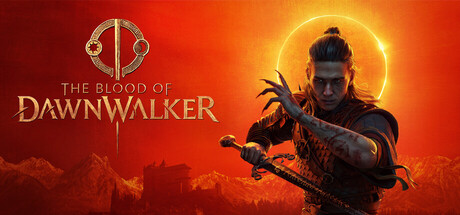
The Blood of Dawnwalker has the right kind of bad idea at its center. You are not just a vampire. You are a man split between daylight survival and night power, trying to save a family while the world keeps asking whether you have enough time, enough blood, and enough patience to care about anyone else.
That premise is doing a lot of work. Rebel Wolves, a Warsaw studio built by RPG veterans, clearly wants this to feel like the start of a real dark fantasy saga, not a one-off vampire skin stretched over a checklist map. The setting is grim. The choices are messy. The quests appear more interested in consequence than comfort. When the game leans into that identity, it stands out immediately.
The harder truth is that ambition is not polish. The Blood of Dawnwalker has launched to strong interest and a broadly positive Steam response, but the criticism is loud enough to matter: technical roughness, uneven combat, camera and targeting complaints, some open-world busywork, and a premium $69.99 USD price that makes every flaw more expensive.
The verified facts are clear. Steam app data lists The Blood of Dawnwalker as a Windows single-player Action, Adventure, and RPG release from developer Rebel Wolves and publisher Bandai Namco Entertainment, with full controller support and a $69.99 USD base price in the United States. Steam shows a September 2, 2026 release date in the U.S. store data, while Bandai Namco and major review coverage list September 3, 2026 as the global launch date. SteamDB currently tracks a Very Positive profile, more than 12,000 reviews, and a large launch-week player base.
This review is based on verified Steam information, Steam API data, SteamDB data, official Rebel Wolves and Bandai Namco materials, current Steam player feedback, and reputable critical coverage. It is not based on a claimed completed PUG Empire playthrough.
Let's break it down using our comprehensive 10-point rating system.
What is The Blood of Dawnwalker?
The Blood of Dawnwalker is an open-world dark fantasy action RPG set in 14th-century Europe. You play as Coen, a young man turned into a Dawnwalker, human by day and vampire by night, while trying to save his family in a region where war, plague, and supernatural power have already made normal morality feel fragile.
The core hook is the split identity. Daylight and night are not just lighting changes. Official materials describe different gameplay loops, different abilities, mysteries tied to each state, and a world shaped by action and inaction. Quests move time forward, the family rescue has a limited clock, and the game is built around choices that can close doors instead of politely waiting for the player to clear every marker.
That is the part that makes Dawnwalker interesting. It is not trying to be a normal comfort RPG where every problem waits in a neat journal until you feel ready. Its best pitch is pressure: who do you help, what do you ignore, when do you spend time preparing, and how much humanity are you willing to trade for power?
Quick Facts:
- Game: The Blood of Dawnwalker
- Developer: Rebel Wolves
- Publisher: Bandai Namco Entertainment
- Release Date: September 2, 2026 on Steam in U.S. store data, September 3, 2026 in global publisher and review coverage
- Platforms: Windows PC via Steam, PlayStation 5, Xbox Series X|S
- Price: $69.99 USD base price on Steam at review time
- Genres: Action, Adventure, RPG, open-world dark fantasy action RPG
- Players: Single-player
- Steam: The Blood of Dawnwalker on Steam
How we score this review
Before we lock in the verdict, here's how we evaluate every game that crosses our radar:
- Gameplay Mechanics (1.0 point) - How does it feel to play?
- Graphics & Visual Design (1.0 point) - Does it look good?
- Audio & Sound Design (1.0 point) - How's the audio experience?
- Story & Narrative (1.0 point) - Is there a compelling story?
- Replayability (1.0 point) - Will you keep coming back?
- Multiplayer/Social (1.0 point) - How's the online experience?
- Performance & Optimization (1.0 point) - Does it run well?
- Innovation & Originality (1.0 point) - Does it bring something new?
- Value for Money (1.0 point) - Is it worth the price?
- Overall Fun Factor (1.0 point) - Bottom line: is it fun?
Now let's see whether this vampire RPG earns the blood price.
1. Gameplay Mechanics: 0.82/1.00
The Blood of Dawnwalker has a strong mechanical pitch because its systems are tied to the fantasy. Coen's daylight and night forms are meant to change how players approach problems, combat, exploration, and choice. The time system gives quests weight. The open world is not just there for map size, it exists so the player can choose who matters before the clock runs out.
What Works:
- Day and night forms give the RPG a clear identity
- Quest decisions moving time forward creates real pressure
- Vampire powers add movement and combat personality
- Exploration can uncover quests and secrets organically
- Consequence-driven structure gives choices more bite than the usual checklist RPG
- Adjustable difficulty and full controller support help accessibility
Current Friction:
- Combat is one of the most divisive parts of the game
- Camera and targeting complaints appear repeatedly in player feedback
- Some quest and progression costs can make planning feel unclear
- Open-world objectives sometimes fall back into familiar busywork
- The vampire fantasy is not always as mechanically bold as the premise suggests
The combat is the main limiter. Critics and players do not agree on exactly how bad it is, but the shape is consistent: the combat can work, especially once powers open up, yet it also gets called repetitive, clunky, and too dependent on camera behavior. That matters because this is not a pure dialogue RPG. When a game asks players to fight often, "good enough" combat starts taking a tax.
Still, the larger gameplay framework is strong. The Blood of Dawnwalker has ideas, and they are not cosmetic. The best parts sound like an RPG trying to make choices hurt again.
Score: 0.82/1.00 - Ambitious RPG systems with combat and clarity issues holding the score back.
2. Graphics & Visual Design: 0.87/1.00
This is one of Dawnwalker's safest categories. The official media, Steam screenshots, and review coverage all point to a game with a strong visual identity: red skies, ruined settlements, plague-era misery, supernatural violence, heavy costume work, and a world that looks like every village has already lost the vote on whether things can get worse.
Visual Highlights:
- Strong gothic and medieval art direction
- Coen's vampire identity gives the game an immediate silhouette
- Vale Sangora has forests, plains, swamps, settlements, ruins, and mountains
- Unreal Engine 5 presentation gives the world modern lighting and detail
- Creature and vampire imagery supports the horror angle
- Official key art is clear, recognizable, and accurate to the game
The visual strength is not just fidelity. It is tone. The Blood of Dawnwalker knows it wants to be ugly in the moral sense, not the production sense. The red eclipse branding, brutal fantasy architecture, and plague-world setup give it a recognizable look in a year packed with expensive RPGs.
The score is capped because technical complaints and uneven asset quality show up in the broader conversation. A game can have strong art direction and still feel inconsistent when performance, texture loading, or animation issues break the spell.
Score: 0.87/1.00 - Excellent dark fantasy mood, with some presentation roughness tied to the technical state.
3. Audio & Sound Design: 0.84/1.00
The Blood of Dawnwalker appears to understand that a vampire RPG needs more than sword clangs and sad strings. It needs a world that sounds diseased, religious, dangerous, and old. Critical coverage has been positive on voice acting and atmosphere, and official materials put a lot of weight on character drama and horror tone.
Audio Strengths:
- Voice work appears to support the character-focused quest design
- Horror ambience fits the plague-era vampire setting
- Combat audio helps sell sword, claw, and magic feedback
- Music supports the bleak fantasy mood without turning the game into pure spectacle
- Environmental sound helps forests, villages, ruins, and caves feel hostile
The most important audio win is performance. Not frame performance, but acting performance. Dawnwalker needs players to care about strange people in a miserable valley, and that does not work if every conversation feels like quest-giver furniture. TechRadar specifically praised the voice acting, and the broader critical conversation lines up around strong writing and characters.
The caveat is that player feedback has flagged missing or inconsistent subtitle support for some internal voice lines. That is not a minor complaint for accessibility, especially in a story-heavy RPG where background reactions can carry character and context.
Score: 0.84/1.00 - Strong mood and voice work, with accessibility concerns around some spoken content.
4. Story & Narrative: 0.88/1.00
This is why The Blood of Dawnwalker is worth discussing at all. The setup is sharp: a family rescue, a 30-day and 30-night clock, a protagonist caught between humanity and vampire power, a region reshaped by plague and supernatural rule, and a world where not everyone can be saved.
Narrative Strengths:
- The family rescue gives the central clock emotional stakes
- Coen's half-human, half-vampire identity creates useful tension
- Rebel Wolves' official materials emphasize choice, consequence, and inaction
- Critical coverage broadly praises quests, writing, characters, and atmosphere
- The setting feels distinct from cleaner heroic fantasy
- The game leaves room for multiple priorities instead of a single obvious route
The best version of this game is not about completing every icon. It is about deciding what kind of person Coen becomes when the game refuses to give him enough time to be generous, careful, powerful, and clean all at once. That is real RPG material.
The score is not a full point because some reviews argue the 30-day structure and day/night fantasy do not always hit as hard mechanically as they should. That gap matters. A brilliant premise still has to survive the hours between major decisions.
Even with that caveat, the story and worldbuilding appear to be the game's strongest selling point.
Score: 0.88/1.00 - Strong RPG writing, memorable setup, and a bleak identity that sticks.
5. Replayability: 0.76/1.00
Dawnwalker has better replay value than a straight one-path story game because its structure is built around choices, time costs, missed opportunities, and different approaches. If the game actually lets players fail quests, skip leads, kill important NPCs, and still reach an ending, that gives replay runs a real purpose.
Replay Factors:
- Time pressure means players cannot comfortably do everything
- Day and night builds encourage different priorities
- Quest outcomes and missed opportunities support second runs
- Difficulty options can change combat expectations
- Steam achievements give completion-minded players a checklist
- Strong story choices give RPG players reasons to compare paths
Replay Concerns:
- Single-player only limits community-night value
- Open-world repetition may drag during repeat runs
- Full-price RPGs need stronger polish to justify multiple playthroughs
- Combat divisiveness can kill replay motivation
- Some players may wait for patches before committing to a second run
The important distinction is replayability versus persistence. This is not a forever game for a Discord group. It is a story RPG where the second run depends on whether the first run left you wondering what would have happened if you had chosen differently.
For RPG fans, that hook is meaningful. For PUG Empire's broader multiplayer audience, the replay score has to stay more modest.
Score: 0.76/1.00 - Good replay hooks for story players, limited by single-player format and rough combat.
6. Multiplayer/Social: 0.34/1.00
The Blood of Dawnwalker is a single-player game. That is not a design failure, but it matters on a site built around community play and Discord nights.
Social Notes:
- Steam lists single-player support, not co-op or multiplayer
- The story choices can fuel discussion, clips, streams, and spoiler debates
- RPG build decisions give players something to compare
- It works better as a "what did you choose?" game than a "squad up tonight" game
- There is no direct online co-op, PvP, shared world, or group campaign
The game can still have community value. Big RPGs create conversation when choices diverge, when endings split, when mods appear, and when players argue about whether the combat is actually good or just tolerated for the writing. Dawnwalker already has that kind of discourse.
But the scoring category is named Multiplayer/Social, and PUG Empire has to be honest about the direct utility. This is a solo RPG with social aftertaste, not a group activity.
Score: 0.34/1.00 - Good discussion fuel, but no actual multiplayer or co-op.
7. Performance & Optimization: 0.68/1.00
This is the danger zone. The Blood of Dawnwalker is not being received like an unplayable mess, and Steam's Very Positive summary suggests many players are getting through it happily. At the same time, technical criticism is too consistent to wave away.
Technical Positives:
- Steam user sentiment is Very Positive across a large launch pool
- Steam lists full controller support and Steam Cloud
- SteamDB shows strong launch activity instead of a dead-on-arrival technical collapse
- Some critical coverage reports acceptable or even strong performance on tested hardware
- The game is new enough that post-launch patching can still improve the picture
Technical Concerns:
- Player reviews repeatedly mention stutter, frame pacing, and optimization issues
- Combat feels worse when performance or animation timing breaks
- Camera and targeting complaints overlap with technical feel
- Texture loading and environment roughness appear in current feedback
- Steam Deck expectations should stay cautious until broader verification is clear
The key issue is price. A $69.99 RPG can be ambitious, strange, and even uneven. It cannot ask players to shrug off every hitch like they bought a discounted Early Access experiment. When performance problems affect combat timing in an action RPG, they become design problems too.
The fair read is "playable for many, rough enough for caution." That is not a disaster, but it is a real buying warning.
Score: 0.68/1.00 - Playable and popular, but launch technical friction is part of the recommendation.
8. Innovation & Originality: 0.80/1.00
The Blood of Dawnwalker wears its inspirations openly, but it is not just a dark fantasy clone. The Dawnwalker identity, the action-linked time system, and the willingness to let action and inaction shape the world give it more personality than the average open-world RPG pitch.
Fresh Elements:
- Human-by-day and vampire-by-night structure gives the RPG a readable identity
- Time advances through meaningful actions instead of pure real-time pressure
- The game appears comfortable letting players miss content
- Vampire power is framed as a moral and mechanical tradeoff
- The setting avoids bright chosen-one fantasy in favor of plague-era cruelty
The criticism is that some of these ideas may be stronger on paper than in moment-to-moment play. TechRadar's review argues that the 30-day timer and vampire abilities feel underused, while other coverage is more impressed by the quest structure and consequence design. That disagreement is useful. It suggests the game has real ideas, but does not land them cleanly for everyone.
Originality gets credit here, but not a blank check. Dawnwalker has the outline of something special. The execution sounds more uneven than the ambition.
Score: 0.80/1.00 - Distinct RPG ideas, even when the systems do not always bite hard enough.
9. Value for Money: 0.70/1.00
At $69.99 USD, The Blood of Dawnwalker is expensive. That does not automatically make it overpriced. Big single-player RPGs can justify that number if they deliver enough quality, scale, performance, and replay value. The problem is that Dawnwalker's rough edges are not small.
Value Strengths:
- Substantial story-driven RPG structure
- Strong launch player interest and Very Positive Steam sentiment
- Choice-driven design can support repeat runs
- Distinct vampire fantasy has limited direct competition
- Fans of dark, narrative-heavy RPGs may get strong value from one long playthrough
Value Caveats:
- No co-op or multiplayer value for the squad
- Technical issues hurt the premium-price argument
- Combat criticism may be a dealbreaker for action-first players
- Some open-world repetition weakens the hours-to-quality ratio
- Cautious players may be better served by patches or a sale
The value call depends on tolerance. If you are starving for a bleak vampire RPG and you care more about writing than combat feel, the price is easier to accept. If you want a clean, polished, premium action RPG, the same price looks much harsher.
For PUG Empire, this is not an automatic full-price recommendation. It is a targeted one.
Score: 0.70/1.00 - Worth it for the right RPG player, but pricey for the current level of polish.
10. Overall Fun Factor: 0.79/1.00
Dawnwalker sounds fun in the way miserable RPGs can be fun: not cheerful, not frictionless, but compelling. The good version is a night where you meant to do one quest, got pulled into three problems, spent time you did not want to spend, and logged off wondering who paid for that choice.
Fun Highlights:
- Strong fantasy hook
- Memorable moral pressure
- Interesting day and night identity
- Quest consequences create real RPG tension
- Great fit for players who like bleak worlds and hard choices
- Current Steam response suggests the audience is responding despite flaws
Fun Killers:
- Combat can become a chore
- Technical issues can sour tense moments
- Open-world repetition may dull the best ideas
- Single-player only means no direct Discord squad chaos
- Full price raises expectations
The fun is there, but it is not frictionless. The Blood of Dawnwalker asks players to care about story enough to forgive uneven systems. Many players clearly are. Others are bouncing off exactly the same rough edges.
That makes it an interesting recommendation instead of an easy one.
Score: 0.79/1.00 - Compelling dark RPG energy with enough roughness to make the audience selective.
Final Verdict: 7.48/10.00
Breakdown:
- Gameplay Mechanics: 0.82/1.00
- Graphics & Visual Design: 0.87/1.00
- Audio & Sound Design: 0.84/1.00
- Story & Narrative: 0.88/1.00
- Replayability: 0.76/1.00
- Multiplayer/Social: 0.34/1.00
- Performance & Optimization: 0.68/1.00
- Innovation & Originality: 0.80/1.00
- Value for Money: 0.70/1.00
- Overall Fun Factor: 0.79/1.00
Total: 7.48/10.00
The Bottom Line
The Blood of Dawnwalker is one of the more interesting RPG launches of 2026 because its best ideas are not fake trailer promises. The day and night split, limited time, bleak vampire politics, family rescue, and consequence-heavy quest structure give Rebel Wolves a real identity right away.
It is also a premium-priced single-player RPG launching with visible roughness. Combat is divisive. Performance complaints are real. Some open-world tasks sound more familiar than fresh. The vampire fantasy does not always seem to hit as hard in mechanics as it does in premise. For a PUG Empire audience, the lack of co-op also matters.
That leaves Dawnwalker in a strong but qualified place. It is worth watching and probably worth playing for story-first RPG fans who can tolerate jank for atmosphere, choice, and dark fantasy ambition. It is harder to recommend at full price to action-first players, performance-sensitive players, or groups looking for the next Discord game.
Pros:
- Strong dark fantasy identity
- Excellent story premise and quest potential
- Meaningful time-pressure structure
- Distinct human and vampire fantasy
- Strong atmosphere and visual direction
- Very Positive early Steam response
- Real promise from a new RPG studio
Cons:
- Combat is divisive and can feel repetitive
- Performance and optimization complaints are visible
- Camera and targeting issues affect combat feel
- Open-world busywork still creeps in
- No multiplayer or co-op
- Full $69.99 price makes the rough edges harder to ignore
Recommendation: The Blood of Dawnwalker is a good pickup for players who want a bleak, choice-heavy vampire RPG and can live with launch roughness. If you need polished action combat, strong performance, or squad-night value, wait for patches or a sale.
Bring patience. Spend time carefully. Do not assume the vampire option is the wrong one.
Have you started The Blood of Dawnwalker? Drop your best impossible choice, worst combat complaint, or strongest vampire build in our Discord and tell us what we should review next.
Final Score: 7.48/10.00 - The Blood of Dawnwalker is a bold vampire RPG with excellent atmosphere and story ambition, held back by combat friction, launch technical issues, single-player limits, and premium-price expectations.
Behind this article
Sources & editorial notes
This is a research-based editorial review. It draws on published information and the sources below, and does not claim a completed hands-on playthrough.
- Official Steam page
- The Blood of Dawnwalker official site
- Bandai Namco official game page
- SteamDB data
- PC Gamer review
- Tom's Guide review
- TechRadar review
Share this article

Written by
ApexInterfectum
Co-Founder, PUG Empire | Army Veteran | Full Stack Developer
ApexInterfectum is an Army veteran and co-founder of PUG Empire, a competitive gaming community built on coordinated team play and continuous improvement. He brings a full-stack development background to community tooling and content infrastructure, and serves as technical subject matter expert across the Dirty Rice platform. His writing covers the systems and strategies behind sustainable content creation, competitive growth, and modern streaming workflows.